
Republicans push Obamacare tax credit alternatives as enrollment deadline looms
Washington, D.C. — With enhanced Affordable Care Act (ACA) premium tax credits scheduled to expire on December 31st, Congressional Republicans are advancing alternative proposals centered on direct cash payments to individuals. However, with a critical enrollment deadline weeks away and no legislative consensus, millions of middle-class Americans face imminent uncertainty over their 2026 health care costs.
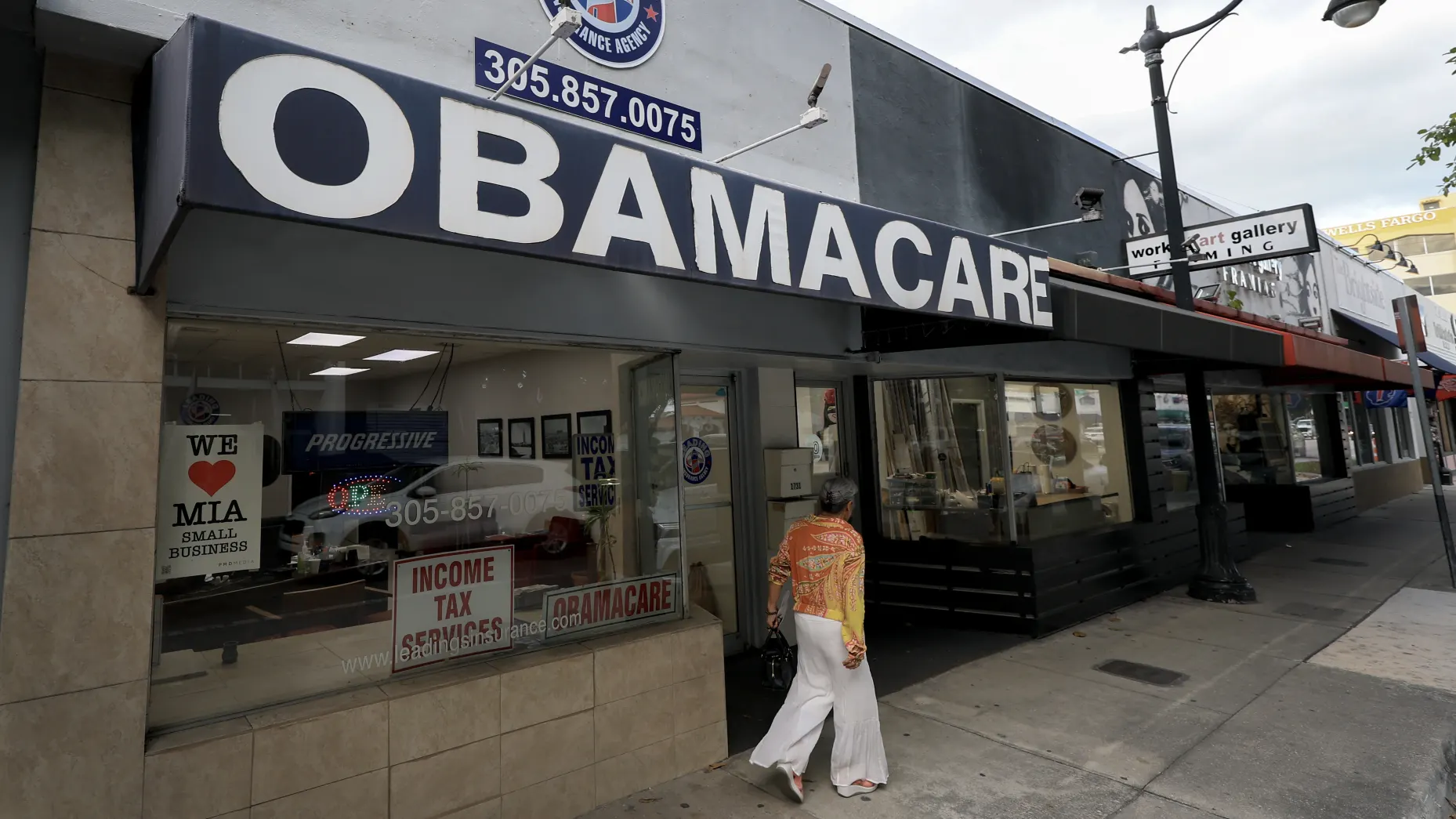
The White House has delayed a planned announcement on the future of the subsidies, according to officials, amid congressional backlash. The inaction leaves families like that of Shana Verstegen, a Wisconsin fitness instructor, bracing for premium increases of up to 50%. "We're looking at a few activities our kids do and things like that," she said, describing the painful budget cuts her family faces.
GOP Alternatives: Shifting from Subsidies to Savings Accounts
The current enhanced subsidies, enacted during the pandemic, cap premium costs at 8.5% of income for middle-class enrollees. Their expiration is a central factor behind projected 2026 premium spikes. In response, key Republican lawmakers are proposing a strategic pivot away from the existing framework.
Trump Health Freedom Accounts: Senator Rick Scott (R-FL) has introduced a bill to provide ACA enrollees with cash through Health Savings Accounts, effective January 1, 2026. This aligns with former President Trump's public stance against subsidizing insurers, favoring instead to "send the money directly back to the people."
The Bronze Plan Benchmark: Senator Bill Cassidy (R-LA) proposes making lower-cost, high-deductible Bronze plans the new benchmark for assistance, using the savings to fund HSA contributions to offset deductibles. "We’re using a cheaper policy so it’s easier to do," Cassidy explained, framing it as a more efficient use of funds.
A Race Against a Hard Deadline
The legislative calendar presents a formidable obstacle course. Congress has less than a month of session days before the December 15th deadline for most Americans to enroll in 2026 coverage. Health policy experts express deep skepticism that a complex restructuring can be designed, passed, and implemented in time.
"Conceptually, what they’re talking about is a radical restructuring... and we literally are days away from when people have to pay their January premiums," said Sabrina Corlette of Georgetown University. Insurers like Oscar Health acknowledge that while a cash-based model may have long-term merit, an immediate extension of the current credits is the only viable solution to ensure market stability for 2026.
Enrollees Caught in the Crossfire
The political impasse has direct consequences. Insurers have already priced 2026 plans anticipating some drop-off in enrollment, leading to significant premium increases. Analysts urge consumers to secure coverage by the deadline regardless of the uncertainty, noting that tight rules for special enrollment periods could lock them out later.
"You’re committing to one month’s premium. If it’s unaffordable, you can always drop out, but you can’t come back in if you don’t sign up," advised Larry Levitt of KFF. For families, the situation has become a stressful high-stakes race against a political clock, forcing them to make vital financial decisions without knowing the final rules of the game.
The coming weeks will determine whether Congress can broker a short-term fix or if the health insurance marketplace is headed for a turbulent and costly transition driven by a new cash-based philosophy.
Recent
News




Newsletter
Subscribe to our mailing list to get the new updates!

Subscribe our newsletter to stay updated
Most
Reviews
Finance

- Sun, 18 Jan 2026
EU readies €93bn tariffs in retaliation for Trump’s Greenland threat
Business

Finance

Business

Markets

- Mon, 26 Jan 2026